Egg Sambar Rice Bowl
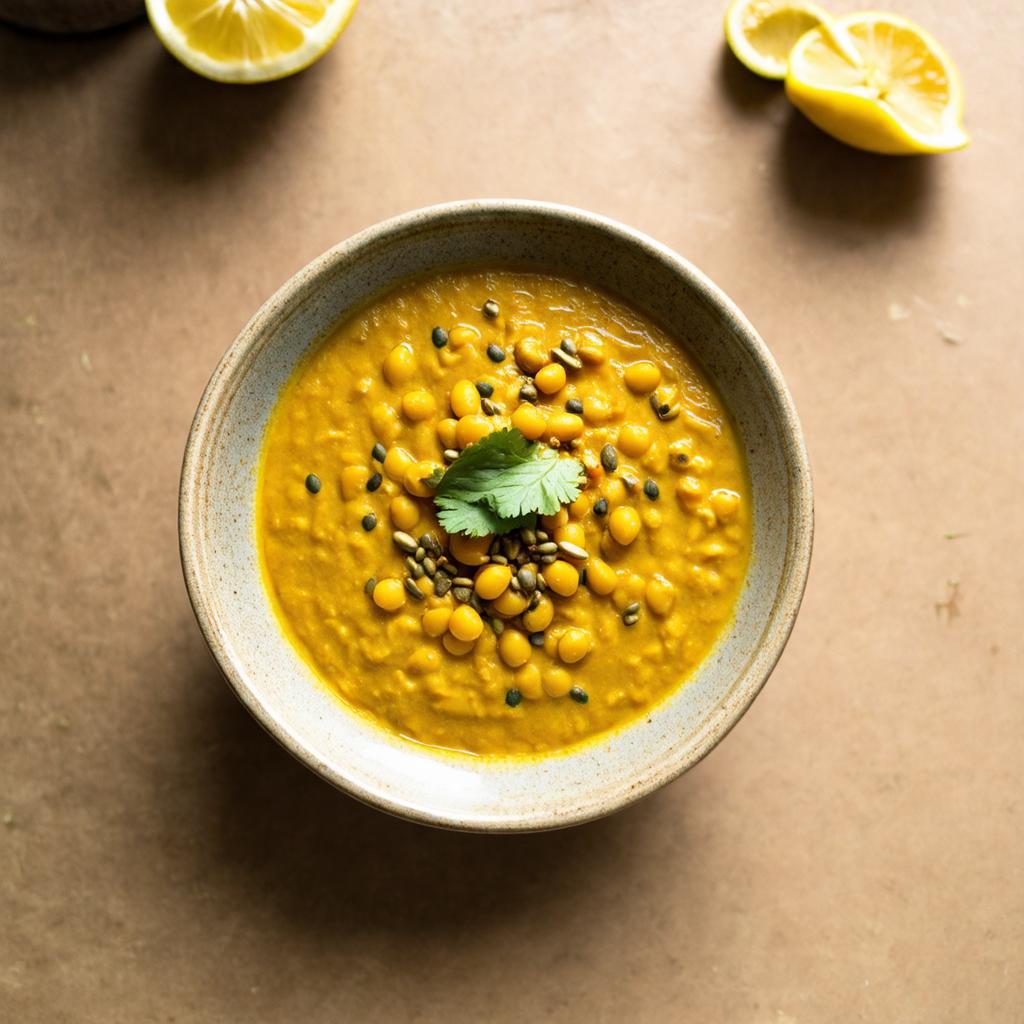
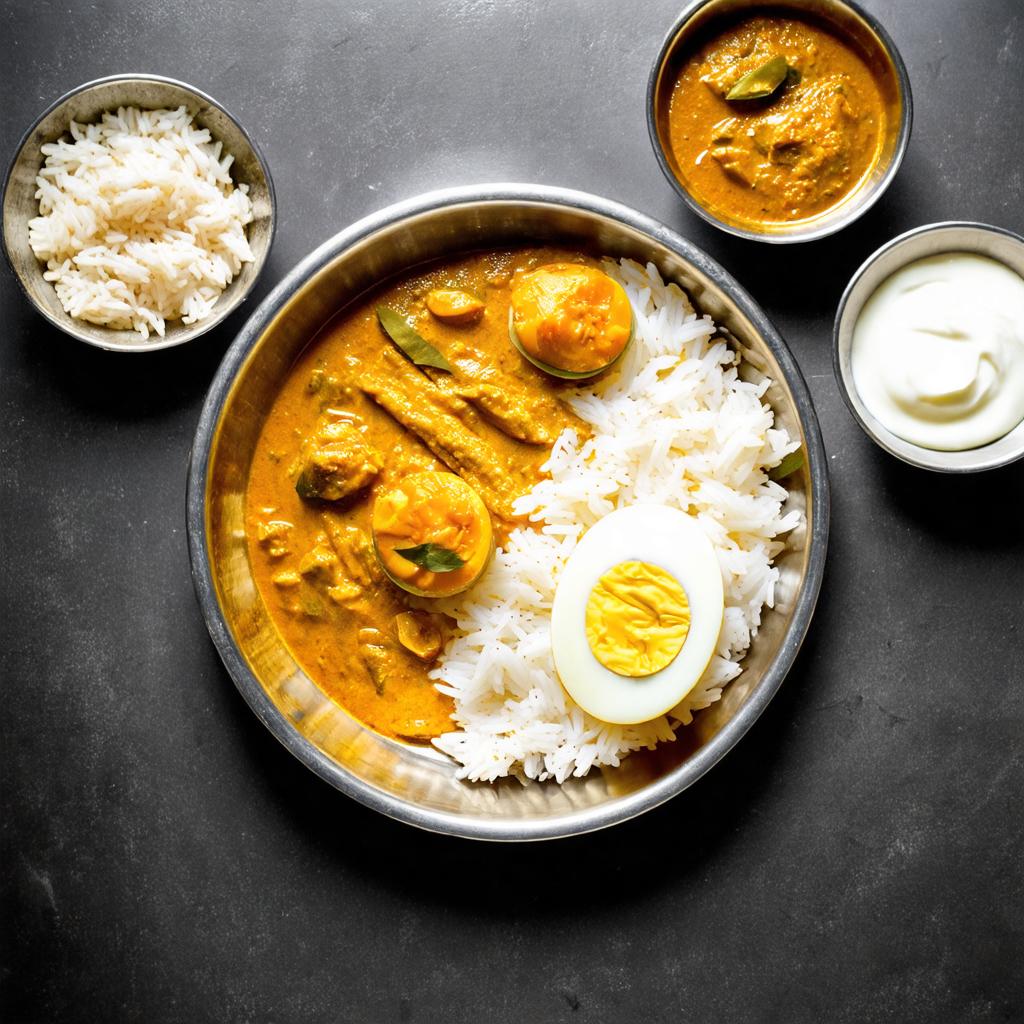
A hearty bowl of protein-loaded sambar with extra toor dal, chickpeas, and hard-boiled eggs, served over rice with a yogurt pachadi. The most important dish in South Indian cooking, rebuilt for protein.
Sambar is a tangy, warming lentil stew that I grew up eating at almost every meal. It's comfort food for me, the kind of thing I crave when I'm tired or stressed or just want something that feels like home.
But the thing about traditional sambar is that it's thin. It's meant to be poured over rice and eaten almost like a soup. The dal-to-water ratio is low, so a typical serving gives you maybe 8-10g of protein. When I started tracking macros, I realized one of my favorite dishes was actually one of my weakest protein sources. So I rebuilt it. More toor dal, significantly more, so the sambar is thick and substantial. Chickpeas added right in for extra legume protein. And hard-boiled eggs simmered directly in the sambar, which is actually a legit technique I picked up from family.
The yogurt pachadi on the side uses Greek yogurt for even more protein. From 8-10g to 32g per serving, same flavors I love, completely different protein delivery. This is my go-to weeknight dinner when I don't want to think too hard about what to cook.
The Protein Upgrade
Traditional sambar is thin and light on protein, delivering about 8-10g per serving because the dal-to-water ratio is low. We made it thick and substantial: nearly doubled the toor dal, added a full can of chickpeas (uncommon but delicious), simmered hard-boiled eggs right in the sambar, and built a Greek yogurt pachadi into every serving. From ~9g to 32g, a significant protein increase while keeping the same tamarind-spice flavor profile.
Egg Sambar Rice Bowl
Ingredients
- 1 ½ cups toor dal (washed) 8g protein
- 1 can (15oz) chickpeas (drained and rinsed) 5g protein
- 8 large eggs (hard-boiled and peeled) 12g protein
- 4 cups water
- 1 marble-sized ball tamarind (soaked in 1/2 cup warm water, strained)
- 2 tbsp sambar powder
- ½ tsp turmeric
- 1 tsp salt
- 1 medium drumstick (cut into 3-inch pieces (optional))
- 1 small eggplant (cubed)
- 1 medium tomato (quartered)
- 1 small onion (quartered)
- 6 small shallots (or 1 onion quartered)
- 2 tbsp oil or ghee (for tempering)
- 1 tsp mustard seeds
- ½ tsp fenugreek seeds
- 2 dried red chilies
- 10 curry leaves
- ¼ tsp asafoetida (hing)
- 2 cups cooked rice (brown or white, for serving)
- ¾ cup Greek yogurt (for pachadi) 3g protein
- ½ small cucumber (grated, for pachadi)
- ½ tsp mustard seeds (for pachadi tempering)
Instructions
- Cook toor dal: Add dal to a pot with 4 cups water and turmeric. Bring to a boil, then simmer for 25-30 minutes (or 10 minutes in a pressure cooker) until completely soft. Mash well with a whisk.
- In a separate pot, add the cubed eggplant, drumstick (if using), tomato, onion, and tamarind water. Add sambar powder and salt. Bring to a boil and simmer for 10 minutes until vegetables are tender.
- Add the mashed toor dal to the vegetable pot. Stir in the chickpeas. Simmer for 10 minutes until thick and well combined. It should be the consistency of a thick stew, not a thin soup.
- Make shallow slits in the hard-boiled eggs. Gently add them to the sambar. Simmer for 5 minutes so they absorb the flavors.
- Prepare the tempering: Heat oil in a small pan. Add mustard seeds and fenugreek seeds, let them pop. Add dried red chilies, curry leaves, and asafoetida. Pour sizzling tempering over the sambar.
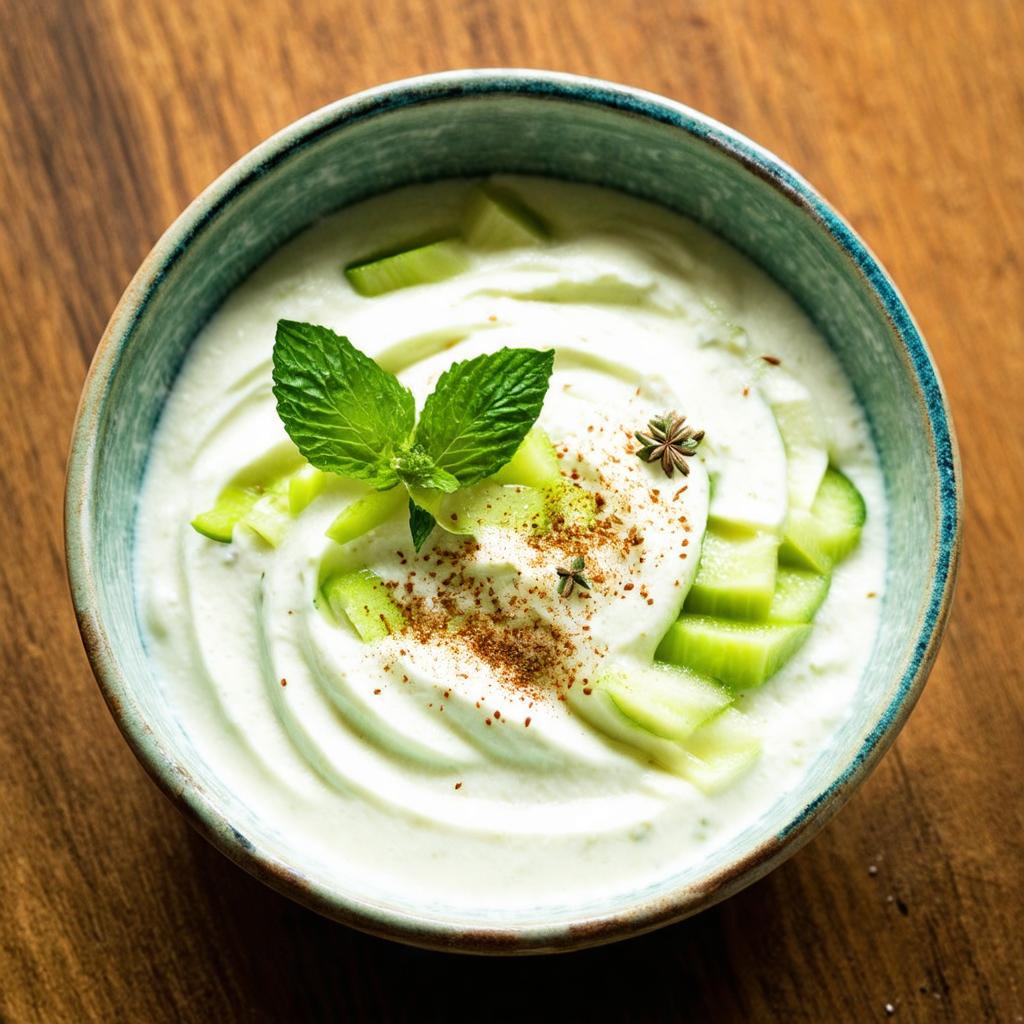
- Make the pachadi: Mix Greek yogurt with grated cucumber and a pinch of salt. Temper with mustard seeds sizzled in a tsp of oil, pour over the yogurt.
- Serve sambar over rice, with 2 eggs per person, and a generous side of pachadi.
Boost Your Protein
- Add 3 eggs per serving instead of 2 for an extra 6g protein.
- Increase toor dal to 2 cups for an extra 5g protein per serving.
- Serve with adai instead of rice for a 50g+ protein meal.
Ingredient Substitutions
- No toor dal? Use red lentils (masoor dal).
- No drumstick? Use green beans or okra.
- No tamarind? Use 1 tbsp lemon juice mixed with a pinch of brown sugar.
- Swap ghee for coconut oil to keep it dairy-free.
- No curry leaves? Use a bay leaf during cooking.
- No asafoetida? Skip it, the dish works fine without it.
- No sambar powder? Use 1 tsp each of ground cumin, ground coriander, and chili powder.
- No fenugreek seeds? Skip them or use a pinch of dried fenugreek leaves (kasuri methi).