Protein Adai (Mixed Lentil Pancake)
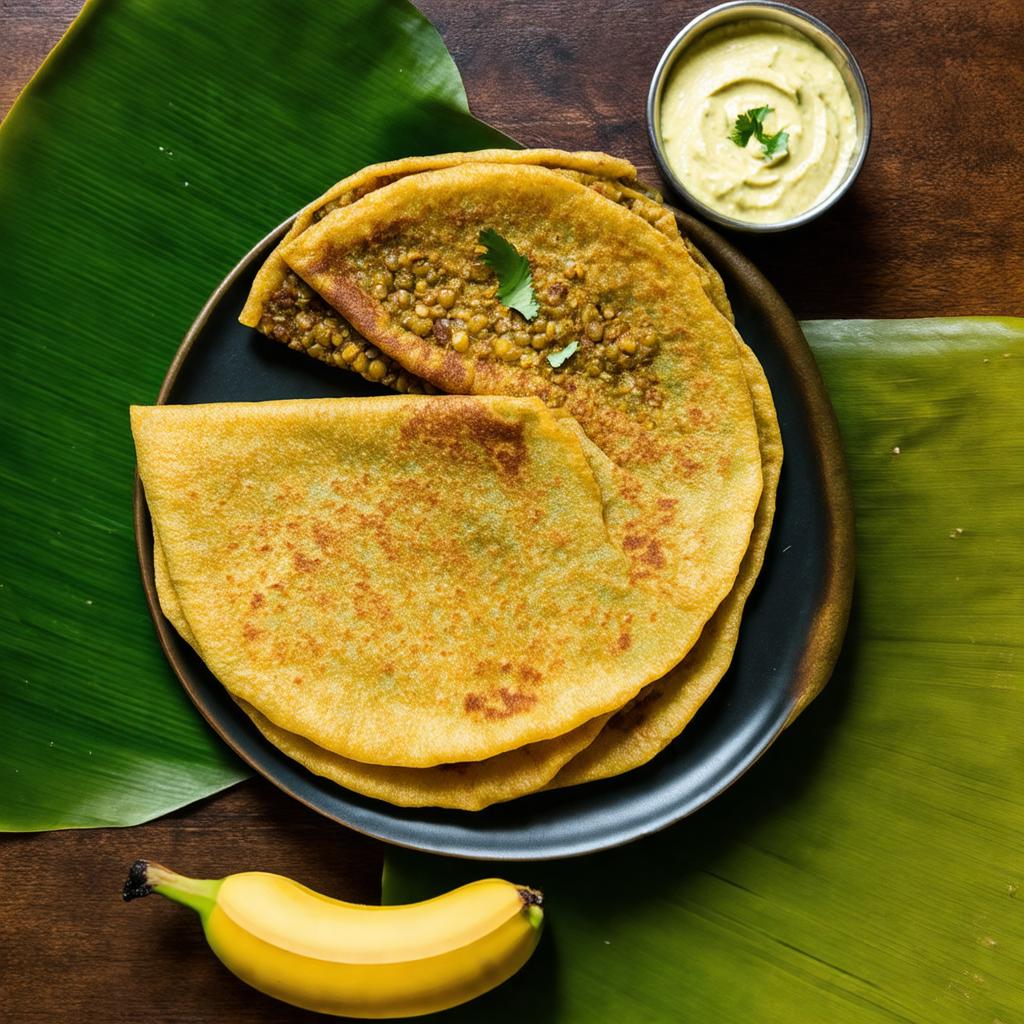
Crispy, coarsely-ground four-dal pancakes with eggs folded into the batter and a spiced paneer filling, served with coconut-yogurt chutney. A powerhouse at 36g protein per serving.
Adai is the dish that made me realize I'd been overthinking the protein problem. My grandmother made it every Saturday, a thick, crispy pancake ground from four different lentils. I loved it as a kid without knowing anything about nutrition. It was just one of the best things she cooked.
Years later, when I started tracking macros, I looked at adai and did the math. Four dals in the batter: chana dal, toor dal, urad dal, moong dal. Each one is a protein source. The batter itself, before you add anything, is already more protein-dense than most "protein-forward" recipes I was finding online. I'd been eating a high-protein meal my entire childhood and didn't even know it.
I've pushed the recipe further by folding beaten eggs into the batter, which improves the texture and adds protein invisibly, and stuffing each adai with spiced paneer crumbles. The coconut-yogurt chutney on the side uses Greek yogurt instead of plain coconut chutney. The result is 36g of protein per serving, one of the highest on the site.
The Protein Upgrade
Traditional adai is already protein-rich by Indian standards, hitting about 16-18g per serving from the mixed lentil batter alone. But we pushed it further: folded beaten eggs into the batter (invisible but adds structure and protein), added a generous 6oz paneer stuffing, and built a coconut-yogurt chutney using Greek yogurt. From ~17g to 36g, more than double. This is one of the highest-protein dishes on the site, built entirely on a recipe that South Indian grandmothers have been making for centuries.
Protein Adai (Mixed Lentil Pancake)
Ingredients
- ½ cup chana dal (soaked 2 hours) 3g protein
- ½ cup toor dal (soaked 2 hours) 3g protein
- ¼ cup urad dal (soaked 2 hours) 2g protein
- ¼ cup moong dal (soaked 2 hours) 2g protein
- 4 large eggs (beaten and folded into batter) 6g protein
- 6 oz paneer (crumbled, for stuffing) 11g protein
- 4 dried red chilies
- 1 tsp cumin seeds
- ½ tsp black peppercorns
- 1 inch ginger (roughly chopped)
- 1 sprig curry leaves (about 12 leaves)
- 1 small onion (finely diced)
- ¼ cup fresh coconut (grated (or 2 tbsp desiccated))
- ½ tsp asafoetida (hing)
- 1 tsp salt
- 2 tbsp oil (for cooking)
- 1 cup Greek yogurt (for coconut-yogurt chutney) 4g protein
- ¼ cup fresh coconut (for chutney)
- 2 green chilies (for chutney)
- ½ tsp mustard seeds (for chutney tempering)
- ½ tsp urad dal (for chutney tempering)
Instructions
- Drain the soaked dals. Grind them coarsely in a blender or food processor with the red chilies, cumin, peppercorns, and ginger. Add water sparingly, the batter should be thick and coarse, not smooth like dosa batter.
- Stir in the curry leaves, diced onion, grated coconut, asafoetida, and salt.
- Beat the eggs and fold them into the batter. This adds protein and helps the adai hold together better.
- Prepare the paneer stuffing: Crumble the paneer and mix with a pinch of salt, a pinch of turmeric, and a finely chopped green chili.
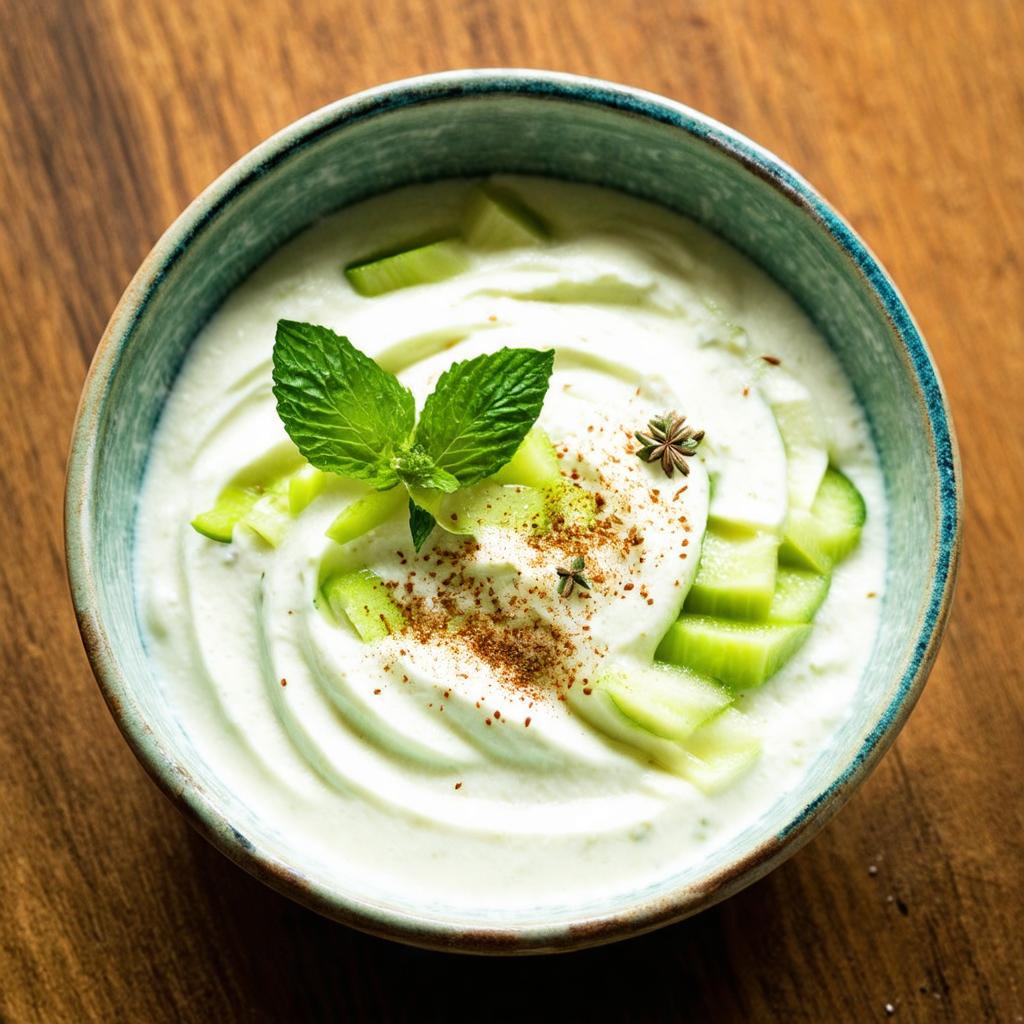
- Make the coconut-yogurt chutney: Blend Greek yogurt with fresh coconut and green chilies until smooth. Temper with mustard seeds and urad dal sizzled in a tsp of oil, pour over the chutney.
- Heat a tawa or non-stick pan over medium-high heat. Add a drizzle of oil.
- Pour a ladleful of batter and spread into a thick circle (about 6 inches across). Adai should be thicker than a dosa.
- Sprinkle a generous portion of the paneer stuffing over the surface. Press gently into the batter.
- Drizzle oil around the edges and cook for 3-4 minutes until the bottom is deep golden and crispy.
- Flip carefully and cook the other side for 2-3 minutes.
- Serve hot with the coconut-yogurt chutney. Each person gets 2 adai.
Boost Your Protein
- Add a fried egg on top of each adai for an extra 6g protein per serving.
- Increase paneer stuffing to 10oz for an extra 5g protein per serving.
- Serve with a small bowl of sambar for an extra 8g protein, pushing the meal past 50g.
Ingredient Substitutions
- No toor dal or urad dal? Use all chana dal and moong dal, the batter will be slightly different but still works.
- No paneer for stuffing? Use crumbled firm tofu seasoned the same way.
- No fresh coconut? Use 2 tbsp desiccated coconut rehydrated in warm water.
- Swap eggs for a flax egg (1 tbsp ground flax + 3 tbsp water per egg) for an eggless version.
- No curry leaves? Use a bay leaf and a pinch of lemon zest.
- No asafoetida? Skip it entirely, it adds depth but isn't essential.
- Can't find all four dals? Use 1 cup red lentils (masoor dal) as a substitute for the mix.