Dal & Paneer Rice Bowl
Thick, comforting moong dal ladled over rice with seared paneer cubes and a cool Greek yogurt raita. Three protein sources working together in one simple bowl.
This is the bowl I eat when I don't want to think about cooking but still need to hit my protein. It's basically three things I always have on hand: dal, paneer, and rice. Put them together with some raita and it's a complete meal that takes almost no effort if you know what you're doing.
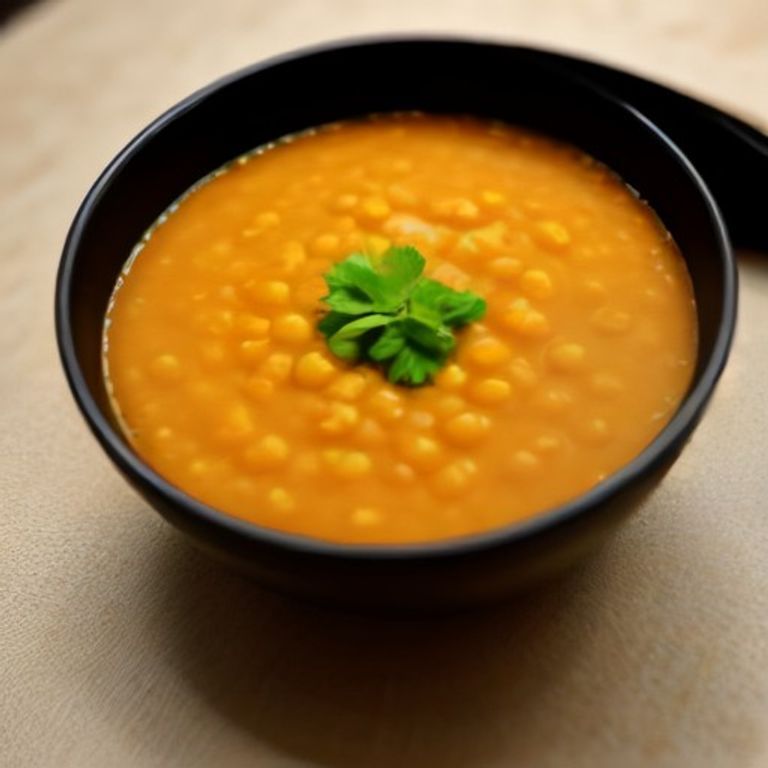
Moong dal cooks fast and doesn't need soaking, which makes it my weeknight go-to. I make it thick, almost porridge-like, so it clings to the rice instead of running off. The paneer gets a quick sear in a hot pan with a pinch of turmeric and salt, nothing fancy but the golden crust makes all the difference. Raita on the side brings everything together and adds even more protein from the Greek yogurt.
I started making this bowl when I realized I was overcomplicating my lunches. Sometimes you don't need twelve ingredients and a complex sauce. You need good dal, good paneer, and good rice. Thirty-three grams of protein from simple, honest Indian food. My mom would approve.
The Protein Upgrade
A basic dal-rice combo gives you about 14-16g protein per serving. We made the dal extra thick using a full cup of dry moong dal, added 10oz of seared paneer cubes, and served it with a Greek yogurt raita. The protein more than doubled to 33g per serving, turning a simple dal-rice meal into a serious protein delivery system.
Dal & Paneer Rice Bowl
Ingredients
- 1 cup moong dal (yellow lentils) (rinsed) 9g protein
- 10 oz paneer (cubed) 18g protein
- 1 ¼ cups Greek yogurt (for raita) 5g protein
- 2 cups basmati rice (cooked) 2g protein
- 3 cups water (for dal)
- 2 tbsp ghee or oil (divided)
- 1 medium onion (finely diced)
- 3 cloves garlic (minced)
- 1 inch ginger (grated)
- 1 medium tomato (diced)
- 1 tsp cumin seeds
- ½ tsp turmeric
- ½ tsp chili powder
- 1 tsp salt
- 1 small cucumber (grated, for raita)
- ½ tsp roasted cumin powder (for raita)
- 2 tbsp fresh cilantro (chopped)
- 1 lemon (cut into wedges)
Instructions
- Rinse moong dal until the water runs clear. Add to a pot with 3 cups water, turmeric, and a pinch of salt. Bring to a boil, then reduce heat and simmer for 20-25 minutes until the dal is completely soft and thick. Mash with the back of a spoon.
- While the dal cooks, heat 1 tbsp ghee in a pan over medium-high heat. Add paneer cubes with a pinch of turmeric and salt. Sear for 2-3 minutes per side until golden. Remove and set aside.
- In the same pan, add remaining ghee. Add cumin seeds and let them splutter.
- Add diced onion and cook until golden, about 5-6 minutes.
- Add garlic and ginger, sauté for 1 minute.
- Add diced tomato and chili powder, cook for 3-4 minutes until tomato softens.
- Pour this tadka into the cooked dal and stir well. Simmer for another 2-3 minutes until thick.
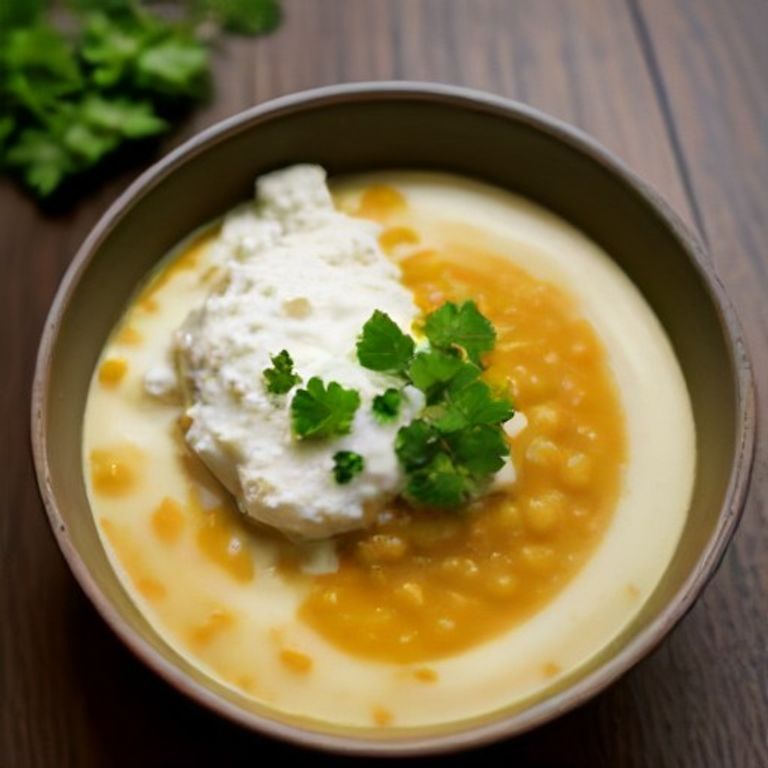
- Make the raita: Mix Greek yogurt with grated cucumber, roasted cumin powder, and a pinch of salt.
- Assemble bowls: Rice on one side, thick dal ladled over, seared paneer arranged on top. Serve with raita, a squeeze of lemon, and fresh cilantro.
Boost Your Protein
- Add a boiled egg on top for an extra 6g protein.
- Stir cottage cheese into the dal for an extra 7g protein per serving.
- Use protein jeera rice instead of plain rice for an extra 4g protein per serving.
Ingredient Substitutions
- No paneer? Use extra-firm tofu or halloumi, seared the same way.
- No moong dal? Use masoor dal (red lentils) for an equally quick-cooking option.
- Swap basmati rice for brown rice or quinoa for more fiber and protein.
- No Greek yogurt? Use regular yogurt whisked until smooth.